Choose the Best Pet Hair Removal Brush in 2026
07/04/2026
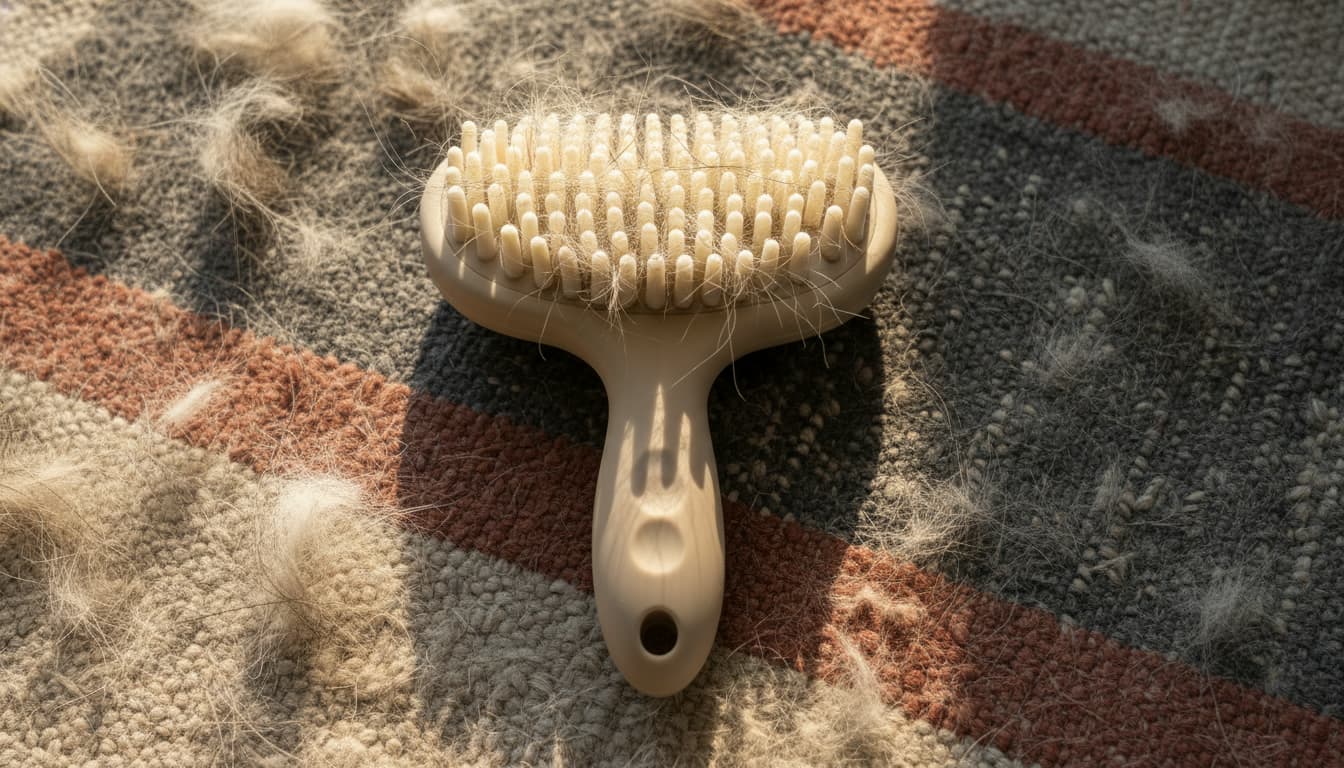
In short, what you will discover in this article: how to choose the ideal pet hair removal brush to effectively remove hair from your clothes, sofas, and floors. We compare technologies, tailor advice to your pet, and guide you for quick and practical daily cleaning.
1. Introduction: the problem of pet hair in the home
Pet hair gets everywhere: on sofas, clothes, and even carpets. This situation can be frustrating, especially when you have a dog or cat that sheds a lot of hair. Finding an effective solution to clean quickly is essential to keep a house clean without spending hours.
Choosing a suitable pet hair removal brush can turn this chore into a simple and fast task. This guide will help you understand the different available options and select the tool that will make your life easier.
2. What is a pet hair removal brush and how does it work?
A pet hair removal brush is a tool designed to capture and remove pet hair from various textile surfaces. Its operation is based on two main principles.
2.1 Mechanical principle vs electrostatic principle
- The mechanical principle uses rubber or silicone bristles that catch hair by friction. This system is simple, requires no batteries, and is often self-cleaning.
- The electrostatic principle relies on a static effect generated by a rolling motion, attracting hair into a reservoir. This mechanism is effective on fabrics where hair is deeply embedded.
2.2 What types of hair is each technology suitable for?
- The mechanical system is ideal for short to medium hair, especially on clothes and sofas.
- The electrostatic system performs better on long and fine hair, especially embedded in carpets or rugs.
3. Types of pet hair removal brushes: comparison
Here is an overview of the main categories of tools for collecting pet hair.
3.1 Rubber / silicone brushes
These brushes, like the reusable anti-hair brush from Kimeo Shop, capture hair thanks to their flexible bristles. They are economical, eco-friendly, and easy to maintain by rinsing with water. Their versatility allows use on clothes, sofas, and even carpets.
3.2 Self-cleaning / button brushes
These models feature a mechanism that gathers hair with a single gesture, facilitating removal. Practical and fast, they are suitable for users seeking a no-touch cleanup.
3.3 Adhesive rollers and alternatives (gloves, microfiber cloths)
- The adhesive hair roller is a classic, effective but often costly due to disposable sheets.
- The pet hair removal glove offers a manual solution, ideal for quick and gentle brushing.
- Microfiber cloths can complement cleaning by capturing hair on smooth surfaces.
4. How to choose according to your pet
The choice of a pet hair removal brush depends on your pet’s hair type and size.
4.1 Cats: short vs long hair (specific recommendations)
- For short-haired cats, a silicone brush or hair removal glove is usually sufficient.
- Long-haired cats often require a specific pet comb or a finer brush to detangle and remove dead hair.
4.2 Dogs: small/medium/large breeds and hair types
- Small breeds with short hair benefit from a soft rubber brush.
- Medium breeds with medium-length hair can use a self-cleaning brush.
- For large breeds with long or thick hair, a specific comb or an electrostatic roller is recommended.
5. Recommended testing methodology (for credibility)
To evaluate the effectiveness of a hair removal brush, follow this simple protocol:
- Choose different surfaces (sofa, clothing, carpet).
- Brush for a fixed duration (e.g., 2 minutes).
- Measure the amount of hair collected (visually or by weighing).
- Note ease of use and comfort for the pet.
This method will help you objectively compare products.
6. Usage guide and practical tips
6.1 Brushing techniques for efficiency and pet comfort
- Always brush in the direction of hair growth to avoid irritation.
- Use slow and steady movements.
- For embedded hair, prefer an electrostatic tool or a comb.
6.2 Brush maintenance: cleaning, storage, and lifespan
- Rinse silicone brushes under water to remove hair.
- Regularly empty the reservoirs of electrostatic rollers.
- Store brushes in a dry place to preserve their effectiveness.
7. Safety and health: sensitive skin, allergen management
Some brushes are gentler and adapted for sensitive skin. Regular cleaning reduces allergens linked to hair. It is advisable to choose a tool that does not pull the skin and respects the pet’s comfort.
8. Advantages / disadvantages and value for money
| Brush type | Advantages | Disadvantages | Average price |
|---|---|---|---|
| Rubber / silicone | Reusable, eco-friendly, gentle | Less effective on long hair | €10-20 |
| Self-cleaning / button | Easy, fast cleaning | Higher price | €20-35 |
| Adhesive roller | Very effective on fine hair | Recurring costs for sheets | €5-15 + consumables |
| Pet hair removal glove | Practical, versatile | Less effective on thick hair | €8-15 |
9. Alternatives and accessories (vacuum cleaners, combined brushes, anti-hair covers)
To complete cleaning, you may consider:
- A vacuum cleaner specialized in pet hair.
- Combined grooming + hair removal brushes.
- Anti-hair covers for sofas and seats.
These accessories help maintain your interior overall.
10. Conclusion and buying recommendations by profile
For quick and effective pet hair cleaning, a silicone or rubber pet hair removal brush is often the best compromise for daily use. If you seek a more powerful tool for carpets or rugs, an electrostatic roller or self-cleaning brush is preferable. Feel free to consult reviews and demos, such as the video TOP 3 BEST ANTI-HAIR BRUSH 2025, to see the real effectiveness of products.
For a practical and eco-friendly purchase, the reusable anti-hair brush from Kimeo Shop is an excellent option to consider.
Choose the tool that suits your pet and needs to finally say goodbye to hair everywhere!

Claire Bertin
Passionnée par les animaux depuis toujours, je me suis spécialisée dans le toilettage et le soin du pelage des compagnons à poils. Avec plusieurs années d'expérience aux côtés de professionnels du monde animalier, j'ai développé une expertise pointue sur les techniques de brossage adaptées à chaque type de poil et race. Sur Brosseur.com, je partage des conseils clairs et pratiques pour aider les propriétaires à entretenir au mieux le pelage de leurs animaux, tout en respectant leur bien-être. Mon objectif est de rendre le brossage accessible à tous, en répondant précisément aux questions du quotidien avec sérieux et pédagogie.