Choosing a Pet for Your Cat in 2026
Discover how to choose a pet compatible with a cat for a harmonious coexistence in 2026. Follow our practical advice.
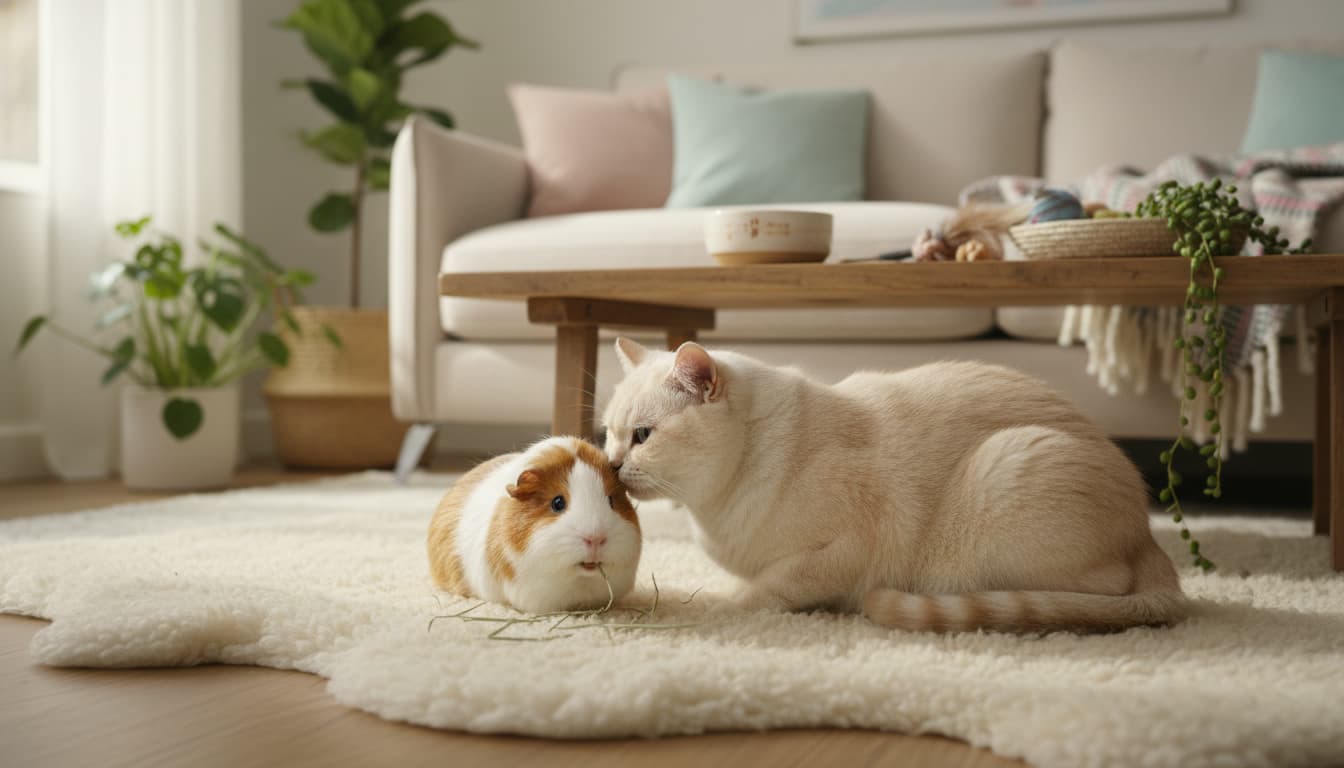
In short, what you’ll learn in this article: how to choose a pet for your cat that is compatible, the benefits and risks of adding a second companion, the best species to consider, and a comprehensive guide for a smooth and peaceful introduction.
1. Introduction — Why ask the question "pet for a cat"
Choosing a pet for your cat requires thought. Your cat is territorial and sometimes solitary, but it can also enjoy company. Finding a suitable companion avoids stress and conflicts. This question is essential to ensure harmonious coexistence.
2. Should you really add a companion to your cat?
2.1 Potential benefits (stimulation, play, reduced boredom)
A second animal can offer your cat:
- More mental and physical stimulation.
- Opportunities for play and interaction.
- Reduced boredom, especially if you are often away.
These benefits contribute to overall better well-being.
2.2 Drawbacks and risks (stress, conflicts, costs)
However, you also need to consider:
- Stress related to living together.
- Risks of conflicts or injuries.
- Additional costs for food, care, and accessories.
- The need for a long-term commitment.
These factors can influence the final decision.
3. Which animals can be good companions for a cat?
3.1 Another cat — advantages, points to watch, and recommended age
Another cat is often the ideal companion. They share similar social cues and can get along very well. It’s advised to adopt a young cat or one close in age, with a compatible temperament. The introduction should be gradual to avoid rivalries.
3.2 Dogs — compatible breeds and temperaments, precautions
Some dog breeds adapt well to the presence of a cat. For example, the Cavalier King Charles, Golden Retriever, or Border Collie have sociable and calm temperaments, facilitating coexistence. It is crucial to socialize the dog from the start and monitor their interactions to prevent conflicts (source Santévet).
3.3 Rabbits and small mammals (rodents) — compatibility and risks
Rabbits, guinea pigs, or ferrets can live with a cat if the hunting instinct is well managed. These slow and docile animals trigger less aggression from the cat. However, a secure space and gradual socialization are necessary to avoid stress (source Cat in a Flat).
3.4 Birds and fish — limits and safety considerations
Birds and fish are generally not recommended as direct companions. Their fragility and the strong predatory instinct of the cat require extreme vigilance. They must be placed in areas inaccessible to the cat to ensure their safety.
3.5 Reptiles and other exotic animals — what you need to know
Reptiles and exotic animals require specific conditions and are not natural companions for a cat. Coexistence is only possible with a strict separation of spaces.
4. Assessing compatibility: practical guide
4.1 Behavioral signs of a sociable vs. territorial cat
A sociable cat shows curiosity towards other animals, accepts contact, and shares its space. A territorial cat may growl, hiss, or mark its territory. Observing these signs helps anticipate the success of coexistence.
4.2 Quick questionnaire for the owner (time, space, risk tolerance)
Before adopting, ask yourself:
- Do I have enough time to manage two animals?
- Does my home offer enough space?
- Am I ready to manage possible conflicts?
- Do I have the financial means for a second animal?
Answering honestly guides you toward the right choice.
5. Preparing the arrival: detailed introduction protocol
5.1 Space arrangement and separate zones
Create distinct zones for each animal with their own cat bed, food, and litter. This limits stress and conflicts.
5.2 Safe first meeting (olfactory exchange, gradual interactions)
Let the animals get used to each other’s scent by exchanging blankets before physical meetings. Watch their reactions and avoid sudden contact.
5.3 Recommended timeline (days and weeks) and adjustment indicators
- Days 1-3: scent exchanges.
- Days 4-7: supervised meetings.
- Following weeks: progressive increase of shared time.
Adjust according to their behavior.
6. Health, hygiene, and veterinary aspects
6.1 Vaccinations, antiparasitic treatments, and quarantine
Before introduction, make sure the new animal is vaccinated, dewormed, and healthy. A quarantine period of a few days is recommended.
6.2 Signs of illness or stress to watch for
Watch for signs like loss of appetite, lethargy, aggressiveness, or excessive grooming. They may indicate stress or illness.
7. Budget and long-term commitment
7.1 Initial costs vs recurring costs (food, care, insurance)
Adoption involves:
- Purchase or adoption fees.
- Accessories: cat scratching post, cat carrier, cat collar.
- Regular food and care costs.
- Possible health insurance.
7.2 Shopping checklist and habitat adaptations
Here’s an essential list:
- An appropriate cat bed.
- An additional cat litter box.
- Toys to stimulate both animals.
- A secure space for each companion.
To learn more, check our comprehensive guide on cat care.
8. Alternatives to adopting another animal
8.1 Enrichment and interactive toys
If you hesitate, prioritize enrichment with cat toys or stimulating accessories. This limits boredom without risk of conflict.
8.2 Services (cat sitting, socialization boarding, stimulating activities)
You can also use socialization services or cat-sitting to offer occasional interactions for your cat.
9. Conclusion — How to choose the best companion for your cat
Choosing a pet for your cat requires a serious evaluation of your cat’s needs, character, and your ability to manage coexistence. Another cat or a compatible dog are often the best options, but every situation is unique. Prepare the introduction carefully and respect your cat’s pace to ensure a harmonious life for all.
To learn more about maintaining your cat’s well-being and care, discover our full article on choosing the ideal brush for long-haired dogs and cats and our solutions for removing pet hair. These tips will help you maintain a healthy and pleasant environment for all your companions.