Ingrown Hair on the Calf: Causes, Symptoms, and Treatments 2026
23/04/2026
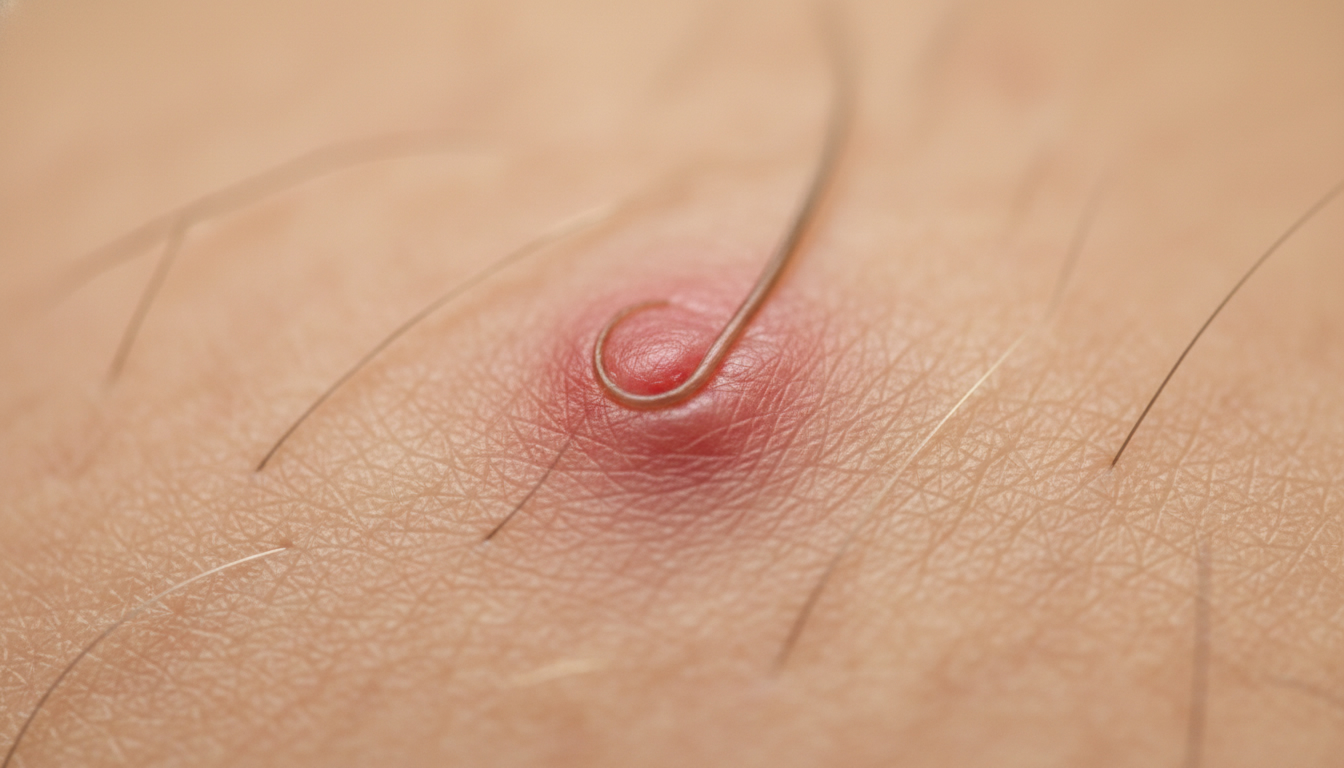
In brief, what you will discover in this article: the common causes of ingrown hair on the calf, its characteristic symptoms, as well as practical advice for treatment and prevention. You will also learn when to see a doctor to avoid complications.
1. Understanding the Causes of Ingrown Hair on the Calf
Ingrown hair on the calf often occurs after waxing or very close shaving. The main causes include:
- Using dull or multi-blade razors that cut the hair at an angle, promoting its embedding under the skin.
- Waxing or plucking hair that weakens it and can cause regrowth beneath the skin.
- Blocking hair follicles with dead skin cells or repeated friction from tight clothing.
- The nature of the hair, especially if it is curly or thick, which increases the risk of ingrowth.
- Dry or thick skin that prevents the hair from emerging properly.
These causes are particularly common on the legs, especially the calves, notably among people who wax regularly (Istanbul Care Clinic).
2. Identifying the Symptoms of Ingrown Hair on the Calf
The symptoms of ingrown hair are quite distinctive and help differentiate it from other skin issues:
- A small red or pink bump, sometimes tender to the touch.
- Itching localized around the hair.
- A black dot visible at the center of the bump, corresponding to the tip of the hair under the skin.
- Mild pain or a burning sensation.
- In case of infection, the area may become more swollen, warm, and produce pus.
It is important to monitor pain related to ingrown hair because excessive inflammation can lead to an abscess requiring medical treatment (SVR).
3. Treating Ingrown Hair: Simple and Effective Tips
To treat an ingrown hair on the calf, it is recommended to follow these steps:
- Do not pierce the bump to avoid infection.
- Gently exfoliate the skin around the ingrown hair with a mild scrub, for example one made of sugar and oil, to free the hair.
- Apply a keratolytic cream containing salicylic or glycolic acid to promote exfoliation.
- Moisturize regularly to prevent the skin from becoming dry and thick.
- In case of infection, use a local antiseptic or consult a doctor for antibiotic treatment.
Natural remedies against ingrown hair, such as homemade scrubs or soothing oils, can also be effective in speeding up healing without irritating the skin (Aroma-Zone).
4. Preventing Ingrown Hair on the Calf: Recommended Practices
To avoid ingrown hairs on the calf, it is advisable to:
- Moisturize daily to maintain skin elasticity.
- Exfoliate the skin regularly, at least once a week, to remove dead skin cells.
- Prefer shaving in the direction of hair growth with a clean, sharp razor.
- Avoid tight clothing that causes friction.
- Choose suitable hair removal methods, especially if you have curly or thick hair.
Here is a quick list of good habits:
- Daily hydration
- Gentle weekly exfoliation
- Shaving in the direction of hair growth
- Use of new or well-maintained razors
- Wearing loose clothing after hair removal
5. When to Consult a Doctor for Ingrown Hair on the Calf?
You should see a healthcare professional if:
- The bump becomes very painful or grows rapidly.
- There is widespread redness or localized heat.
- Pus or suspicious discharge appears.
- You experience fever or general malaise.
In these cases, medical care is necessary to prevent a serious infection or problematic scarring (Livi).
6. Conclusion
Ingrown hair on the calf is a common issue but can be easily managed with proper care and good prevention. By following these simple tips, you can quickly relieve symptoms and avoid complications. To deepen your knowledge about suitable care, discover our complete guide on ingrown hair treatment.
For a pet, such as a cat, regular brushing is essential to prevent ingrown hair problems and maintain healthy skin. You can consult our article on the cat behaviorist to better understand your companion’s needs.
Recommended affiliate products:
- Gentle exfoliating brush for sensitive skin, ideal for preventing ingrown hairs.
- Moisturizing cream with salicylic acid for targeted ingrown hair care.
These products will help you effectively treat and prevent ingrown hairs on your calves.

Claire Bertin
Passionnée par les animaux depuis toujours, je me suis spécialisée dans le toilettage et le soin du pelage des compagnons à poils. Avec plusieurs années d'expérience aux côtés de professionnels du monde animalier, j'ai développé une expertise pointue sur les techniques de brossage adaptées à chaque type de poil et race. Sur Brosseur.com, je partage des conseils clairs et pratiques pour aider les propriétaires à entretenir au mieux le pelage de leurs animaux, tout en respectant leur bien-être. Mon objectif est de rendre le brossage accessible à tous, en répondant précisément aux questions du quotidien avec sérieux et pédagogie.