All About the Hairless Bear in 2026
08/04/2026
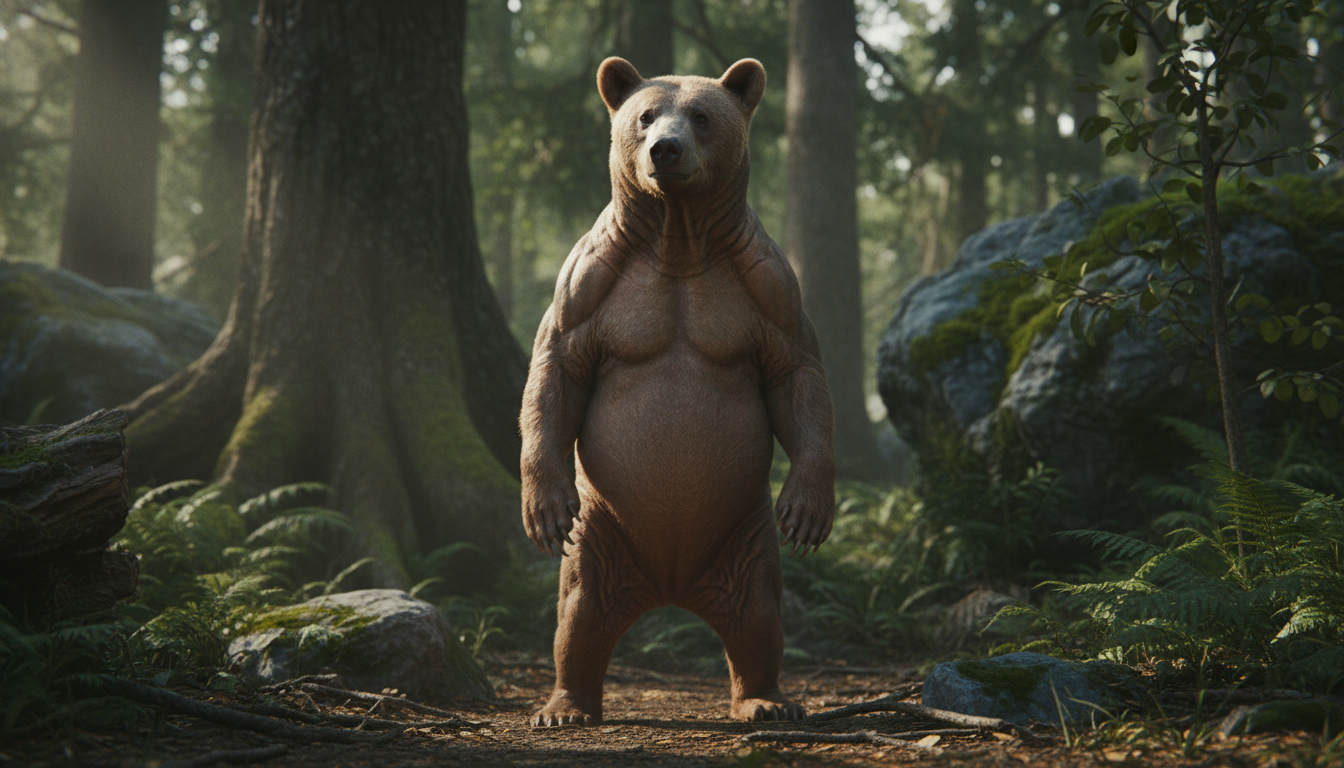
In short, what you will discover in this article: the expression hairless bear often intrigues, but behind this term lie biological, medical, and cultural realities. We will clarify what it means, the possible causes of hair loss in bears, and the differences with other phenomena such as albinism.
1. Introduction: Presentation of the topic and clarification of the meaning of "hairless bear"
The expression hairless bear sparks curiosity and confusion. Many imagine a strange animal without fur, or even a mythical creature. However, this term can refer to several realities, ranging from diseases to misunderstandings linked to the appearance of certain species like the polar bear.
This exploration will help you understand what a hairless bear really is by covering the possible causes of this appearance, the differences with other conditions, and documented cases.
2. What is meant by "hairless bear"?
2.1 Possible definitions: medical, cultural, fiction
- Medical: a bear may lose its fur due to illnesses, infections, or genetic disorders, giving the appearance of a hairless bear or glabrous bear.
- Cultural: in some legends or folk tales, the hairless bear is a symbolic or imaginary figure.
- Fiction: artistic or media works may depict a bear with bare skin for visual or narrative effects.
2.2 Why clarify the meaning for readers and SEO
Clarifying this term avoids confusion between a real animal and myths. It also guides searches toward reliable information, especially for those seeking to understand if such an animal really exists.
3. Possible causes of hair loss in bears
3.1 Diseases and infections (parasites, fungi, bacteria)
Bears can suffer from skin conditions caused by parasites (ticks, mites), fungal infections, or bacterial infections. These diseases often cause partial or total fur loss, giving the appearance of a bear with visible skin.
3.2 Endocrine and genetic disorders
Hormonal imbalances or genetic abnormalities can cause alopecia in some bears, especially in captivity. These disorders sometimes explain the appearance of a bear without fuzz.
3.3 Environmental factors and pollution
Exposure to pollutants or toxic substances can affect the health of the skin and coat, contributing to hair loss.
3.4 Stress, behavior, and nutritional deficiencies
Stress in captivity or nutritional deficiencies can also cause hair loss in bears, a phenomenon observed in some zoos or care centers.
4. Differentiating 'hairless' and 'albino' / other similar conditions
4.1 Distinct clinical signs
A hairless bear shows visible skin, often irritated or damaged, whereas an albino bear has white fur due to lack of pigmentation but retains its coat. For example, the polar bear has translucent hairs, which can give the illusion of a bear without a fur coat but it is not hairless.
4.2 Photo examples and explanations
Photos of bears affected by alopecia clearly show bare skin, contrasting with the appearance of natural white bears. These images are often used to illustrate the differences between these conditions.
5. Documented cases and studies (reviews, veterinary reports, observations)
5.1 Detailed case study (1–2 verifiable examples)
A veterinary study documented bears in captivity suffering from alopecia due to stress and parasites, with appropriate treatments allowing partial coat regrowth.
5.2 Links and scientific references to cite
The National Museum of Natural History explains that the polar bear, often confused with a hairless bear, has hollow and translucent hairs adapted to the Arctic, which clarifies this confusion (source MNHN).
6. Consequences and veterinary care
6.1 Care to provide, standard protocols
Care includes treating infections, managing stress, and providing an appropriate diet. Regular veterinary monitoring is essential to restore coat health.
6.2 Role of rehabilitation centers and sanctuaries
These facilities play a crucial role in caring for sick or injured bears, offering an environment conducive to healing and coat regrowth.
7. Ethical and conservation issues
7.1 Impact on survival, reproduction, and behavior
Hair loss can affect thermoregulation, reproduction, and social behavior of bears, compromising their survival.
7.2 Conservation implications and recommended actions
It is important to monitor these phenomena to better protect populations, especially against climatic and environmental threats.
8. Gallery and visual evidence (commented photos/videos)
Images of bears with alopecia and polar bears illustrate the differences between a bear with smooth skin and a natural white bear, helping to better understand these phenomena.
9. Conclusion and call to action
The expression hairless bear covers several realities, often linked to health problems or confusion with the polar bear. To better understand these animals and their well-being, it is essential to rely on reliable sources and report any suspicious cases to experts. Feel free to share this article to dispel myths around this fascinating animal.
To deepen your knowledge on animal care, especially for those with coat problems, discover our complete guide on the animal hair remover brush which will help you better maintain your companions’ coats.
To learn more about the appearance and characteristics of the polar bear, visit the official page of the National Museum of Natural History.

Claire Bertin
Passionnée par les animaux depuis toujours, je me suis spécialisée dans le toilettage et le soin du pelage des compagnons à poils. Avec plusieurs années d'expérience aux côtés de professionnels du monde animalier, j'ai développé une expertise pointue sur les techniques de brossage adaptées à chaque type de poil et race. Sur Brosseur.com, je partage des conseils clairs et pratiques pour aider les propriétaires à entretenir au mieux le pelage de leurs animaux, tout en respectant leur bien-être. Mon objectif est de rendre le brossage accessible à tous, en répondant précisément aux questions du quotidien avec sérieux et pédagogie.