How to Care for Hair and Mustache in 2026
26/04/2026
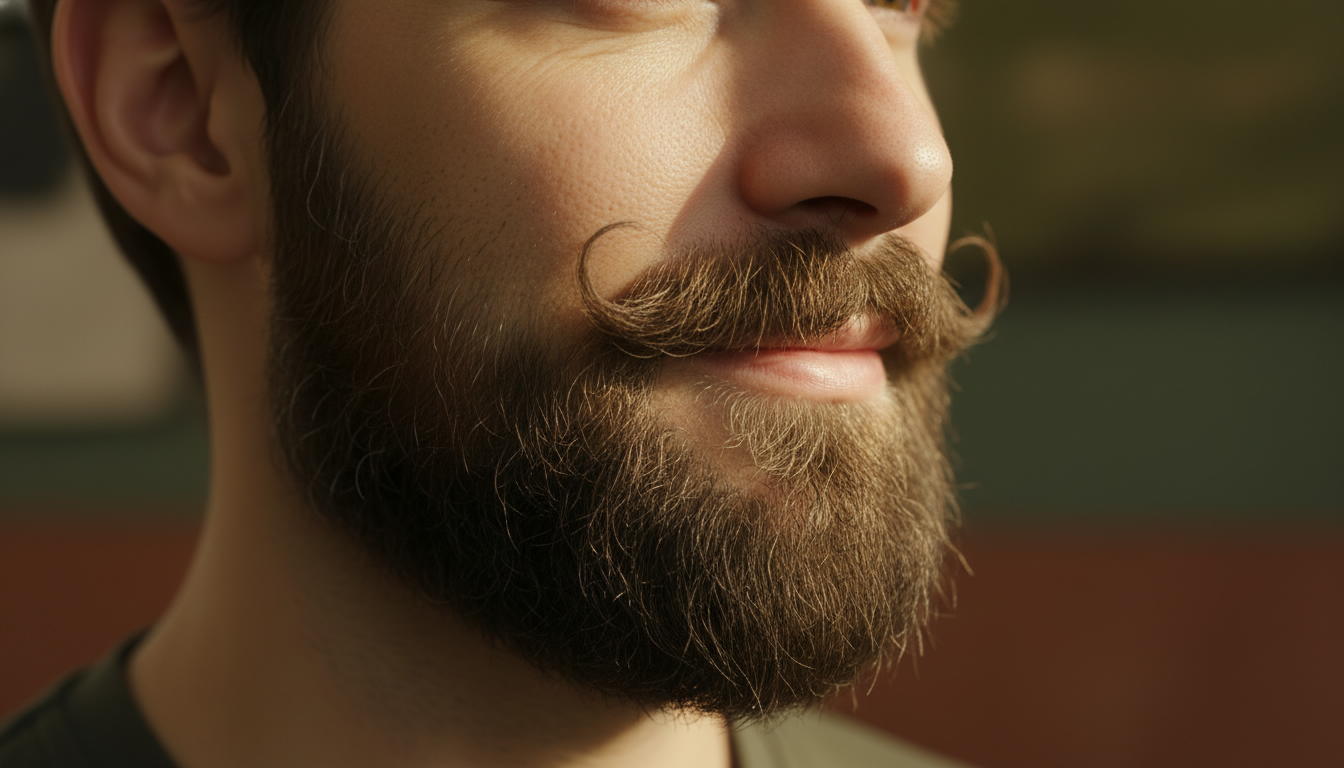
In short, what you will discover in this article: the essential differences between hair and mustache, how to choose a suitable style, and above all the best tips to maintain and grow your mustache using natural products and effective tools. You will also learn how to manage common issues for a healthy and stylish mustache.
1. Understanding Hair and Mustache
1.1 Anatomy and Hair Growth Cycle
Facial hair mainly consists of terminal hairs, which are thicker and pigmented, and vellus hairs, which are fine and sparse. The mustache, on the other hand, is mostly made up of terminal hairs that follow a three-phase growth cycle: anagen (growth), catagen (transition), and telogen (rest). Understanding this cycle is essential to adapt the care routine and promote steady growth.
1.2 Differences Between Hair Types (Terminal, Vellus) and Implications for the Mustache
The terminal hairs of the mustache are more resilient and require special care to avoid becoming rough or brittle. Conversely, vellus hairs, often present in other facial areas, need less attention. This distinction influences product choices and the trimming frequency to maintain a neat and comfortable mustache.
2. Choosing a Mustache Style
2.1 Adapting the Mustache to Your Face Shape
For a harmonious look, it is important to adapt the mustache to your face shape. For example, a thin mustache suits oval faces well, while a fuller style like the chevron balances square faces. This adaptation enhances your features and makes maintenance easier.
2.2 Overview of Styles (Chevron, Handlebar, Thin Mustache, etc.) with Photos/References
Here are some popular styles to consider:
- Chevron: thick and covering the upper lip, ideal for a classic look.
- Handlebar: with curled ends, perfect for a vintage style.
- Thin Mustache: discreet and elegant, suited for slender faces.
- Brush Mustache: short and dense, easy to maintain.
To visualize these styles, you can find inspiration at NIVEA.
3. Maintenance and Grooming Routine
3.1 Hygiene and Essential Tools (Scissors, Comb, Trimmer)
Daily care starts with cleansing using a gentle shampoo designed for beard and mustache, avoiding harsh products. Next, use a fine comb to detangle hairs and precision scissors to trim lengths and edges. A trimmer can be helpful for even cuts. Consistency is key to prevent unruly hairs and itching.
3.2 Recommended Products (Balms, Oils) and Natural Alternatives
To nourish and hydrate the mustache, favor natural oils such as jojoba or argan oil, which soften both the hair and the underlying skin. Mustache balms provide hold and protection against external aggressions. These treatments reduce irritation and make daily styling easier.
4. Growing and Thickening the Mustache
4.1 Nutrition, Supplements, and Best Practices
Hair growth also depends on your diet. A diet rich in B vitamins, zinc, and proteins promotes growth. Specific dietary supplements for beard and mustache can also stimulate density. Remember to stay well hydrated and adopt a healthy lifestyle to optimize growth.
4.2 Application Techniques (Massage, Micro-Stimulation) and Evidence Assessment
Regular massage of the area stimulates blood circulation, enhancing nutrient delivery to hair follicles. Certain micro-stimulation methods, like dermarolling, are sometimes used to improve growth, but their efficacy remains scientifically unproven. Stay patient and consistent with your care.
5. Common Problems and Solutions
5.1 Ingrown Hairs, Irritation, Folliculitis — Prevention and Treatment
Ingrown hairs and irritation are common during growth or after trimming. To prevent them, keep the skin clean, exfoliate gently, and avoid trimming too short. In case of folliculitis, apply antiseptic products and consult a dermatologist if necessary.
5.2 Hair Loss and When to See a Professional
Excessive hair loss can indicate hormonal or dermatological issues. If you notice abnormal shedding, it is advisable to consult a specialist for an accurate diagnosis and appropriate treatment.
6. Aesthetics and Advanced Options
6.1 Micro-Pigmentation, Prosthetics, Coloring
To correct sparse areas or even out color, micro-pigmentation is a lasting cosmetic solution. Hair prostheses for mustaches and coloring also allow for personalized styles. These options require professional follow-up for a natural result.
7. Culture, History, and Trends
7.1 Historical Evolution of the Mustache
The mustache has evolved through the ages, symbolizing masculinity, elegance, or rebellion. Iconic styles like Dali’s or the moustaches of the Movember movement have left a mark on popular culture.
7.2 Current Trends and Social Media Influence
Today, social media strongly influences styles, with a return to neat and personalized looks. Online tutorials and advice facilitate learning maintenance and discovering new trends.
8. Conclusion
Caring for beard and mustache requires some patience and the right tools. By understanding hair and mustache, choosing a suitable style, and adopting a regular care routine with natural products, you will achieve results that are both aesthetic and comfortable. To deepen your knowledge about hair care, check out our comprehensive guide on beard maintenance and feel free to subscribe to our newsletter for exclusive tips.
For optimal care, consider using quality accessories such as precision scissors and natural oils recommended in the guide How to Care for and Trim Your Mustache - Orsoko, which focuses on accessible and effective routines.
Finally, for those who want to explore the broader world of hair care, even for pets, our article on dietary kibble for cats offers an interesting supplement on health and hair in a wider sense.

Claire Bertin
Passionnée par les animaux depuis toujours, je me suis spécialisée dans le toilettage et le soin du pelage des compagnons à poils. Avec plusieurs années d'expérience aux côtés de professionnels du monde animalier, j'ai développé une expertise pointue sur les techniques de brossage adaptées à chaque type de poil et race. Sur Brosseur.com, je partage des conseils clairs et pratiques pour aider les propriétaires à entretenir au mieux le pelage de leurs animaux, tout en respectant leur bien-être. Mon objectif est de rendre le brossage accessible à tous, en répondant précisément aux questions du quotidien avec sérieux et pédagogie.