Understanding Hair Loss in Guinea Pigs in 2026
28/04/2026
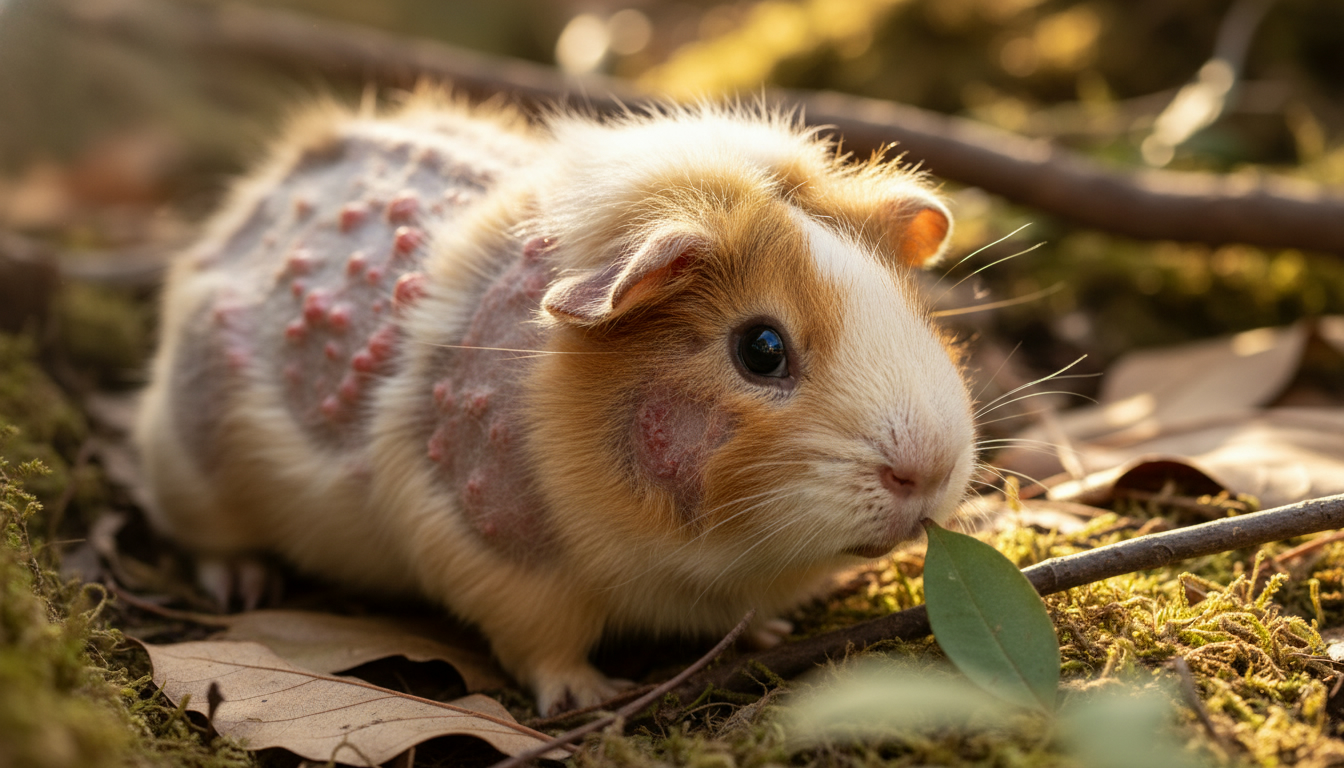
In short, what you will learn in this article: common causes of hair loss in guinea pigs, how to distinguish normal shedding from a pathological condition, symptoms to watch for, as well as treatments and advice to preserve the health of your companion.
1. Introduction: importance of hair loss in guinea pigs
Hair loss in guinea pigs can be a normal sign or an indication of a health problem. Understanding when this shedding is worrisome is essential to act quickly. Indeed, poor fur condition can affect your pet's well-being and quality of life.
2. How to recognize abnormal hair loss
2.1 Difference between seasonal shedding and pathological loss
Guinea pig molting is a natural phenomenon usually occurring with seasonal changes. It is characterized by moderate and even hair loss without irritation or other symptoms. However, localized, excessive hair loss or hair loss accompanied by skin signs should raise concern.
2.2 Associated signs (itching, crusts, wounds, weight loss)
Symptoms of hair loss in guinea pigs often include:
- Intense itching and frequent scratching
- Crusts or red patches on the skin
- Open wounds or irritated areas
- Weight loss or changes in behavior
These signs often indicate a pathological cause requiring intervention.
3. Possible causes
3.1 External parasites (mites, lice): symptoms and diagnosis
Parasites causing hair loss in guinea pigs are mainly mites such as Trixacarus caviae and lice. They cause severe itching, skin lesions, and localized hair loss. Diagnosis is based on observing parasites or skin scrapings performed by a veterinarian.
3.2 Fungal infections (ringworm): diagnosis, contagiousness
Guinea pig ringworm is a common fungal infection often triggered by stress or a weakened immune system. It presents as circular bald patches, crusts, and scratching. This disease is contagious and can spread to other animals and even humans. A precise diagnosis requires a veterinary exam with fungal culture.
3.3 Nutritional deficiencies (vitamin C, proteins) and diet
An unbalanced diet can lead to hair loss in guinea pigs. Deficiencies in vitamin C, essential fatty acids, and proteins are often the cause. These deficits weaken the skin and coat, causing diffuse hair loss. Providing a suitable diet rich in essential nutrients is crucial.
3.4 Hormonal causes, allergic dermatitis, stress, and behavioral factors
Hormonal disorders, such as those linked to pregnancy, can cause temporary hair loss. Additionally, stress and hair loss in guinea pigs are closely related: a noisy environment, conflicts between guinea pigs, or an unsuitable habitat can trigger over-grooming or excessive scratching behaviors, worsening hair loss.
3.5 Environmental and grooming issues (friction, humidity)
A damp or dirty habitat favors skin infections. Likewise, repeated rubbing against bars or poor grooming can irritate the skin and cause hair loss. Using a suitable brush is important to avoid damaging the coat, as explained in our comprehensive guide for choosing the ideal brush for long-haired dogs and cats.
4. Diagnosis: how to assess at home and with the veterinarian
4.1 Common veterinary exams (scraping, culture, blood test)
To precisely identify the cause, the veterinarian may perform:
- A skin scraping to detect parasites and mites
- A fungal culture to confirm ringworm
- A blood test to assess general condition and detect deficiencies or hormonal disorders
These exams allow a reliable diagnosis and tailored treatment.
5. Treatments and care (by cause)
5.1 Antiparasitic and antifungal treatments: protocols and precautions
Antiparasitic treatments target mites and lice with specific products prescribed by the veterinarian. In case of ringworm, topical or oral antifungal treatment is necessary, often accompanied by environmental disinfection to prevent contagion.
5.2 Nutritional support and supplements
To support coat health, it is recommended to enrich the diet with vitamin C and essential fatty acid supplements. Balanced nutrition promotes hair regrowth in guinea pigs and strengthens the skin.
5.3 Local care and pain/infection management
Applying local treatments such as soothing or antiseptic lotions helps relieve itching and prevent secondary infections. Pain management is also essential, especially in cases of mange or wounds.
6. Prevention and good practices (diet, hygiene, stress management)
To limit hair loss, you should:
- Provide a rich and varied diet tailored to guinea pig needs
- Keep the cage clean, dry, and well ventilated
- Avoid overcrowding and sources of stress
- Brush regularly with a soft, suitable brush, like those recommended for grooming long-haired pets, detailed in our article on the pet hair remover brush
- Monitor behavior and skin condition to quickly detect any problem
7. When to see a veterinarian? Warning signs
It is essential to consult a veterinarian if there is:
- Rapid and localized hair loss
- Intense itching and visible crusts
- Wounds or infected areas
- Behavioral changes or weight loss
- Suspicion of parasites or fungal infection
Prompt care prevents complications and improves your guinea pig's comfort.
8. Special cases: pregnant females, young guinea pigs, long-haired breeds
Pregnant females may experience temporary hormonal hair loss, generally not serious. Young guinea pigs have more fragile coats and require special attention. Long-haired breeds need regular grooming to prevent knots and irritation, thus strengthening coat health.
9. Conclusion
Hair loss in guinea pigs can have many origins, ranging from natural molting to serious skin diseases. Carefully observing symptoms and acting quickly by consulting a veterinarian is vital to preserve your pet's health. For a healthy coat, feel free to adopt good grooming and dietary habits, as detailed in our specialized guides.
To deepen your knowledge on coat care, discover our tips for a shiny coat in dogs and the best brushing techniques adapted to each coat type.

Claire Bertin
Passionnée par les animaux depuis toujours, je me suis spécialisée dans le toilettage et le soin du pelage des compagnons à poils. Avec plusieurs années d'expérience aux côtés de professionnels du monde animalier, j'ai développé une expertise pointue sur les techniques de brossage adaptées à chaque type de poil et race. Sur Brosseur.com, je partage des conseils clairs et pratiques pour aider les propriétaires à entretenir au mieux le pelage de leurs animaux, tout en respectant leur bien-être. Mon objectif est de rendre le brossage accessible à tous, en répondant précisément aux questions du quotidien avec sérieux et pédagogie.