Understanding the Fur Tail in Hairstyling and Ornamentation in 2026
Discover what a fur tail is, its characteristics, and its use in hairstyling or ornamentation to enhance your style in 2026.
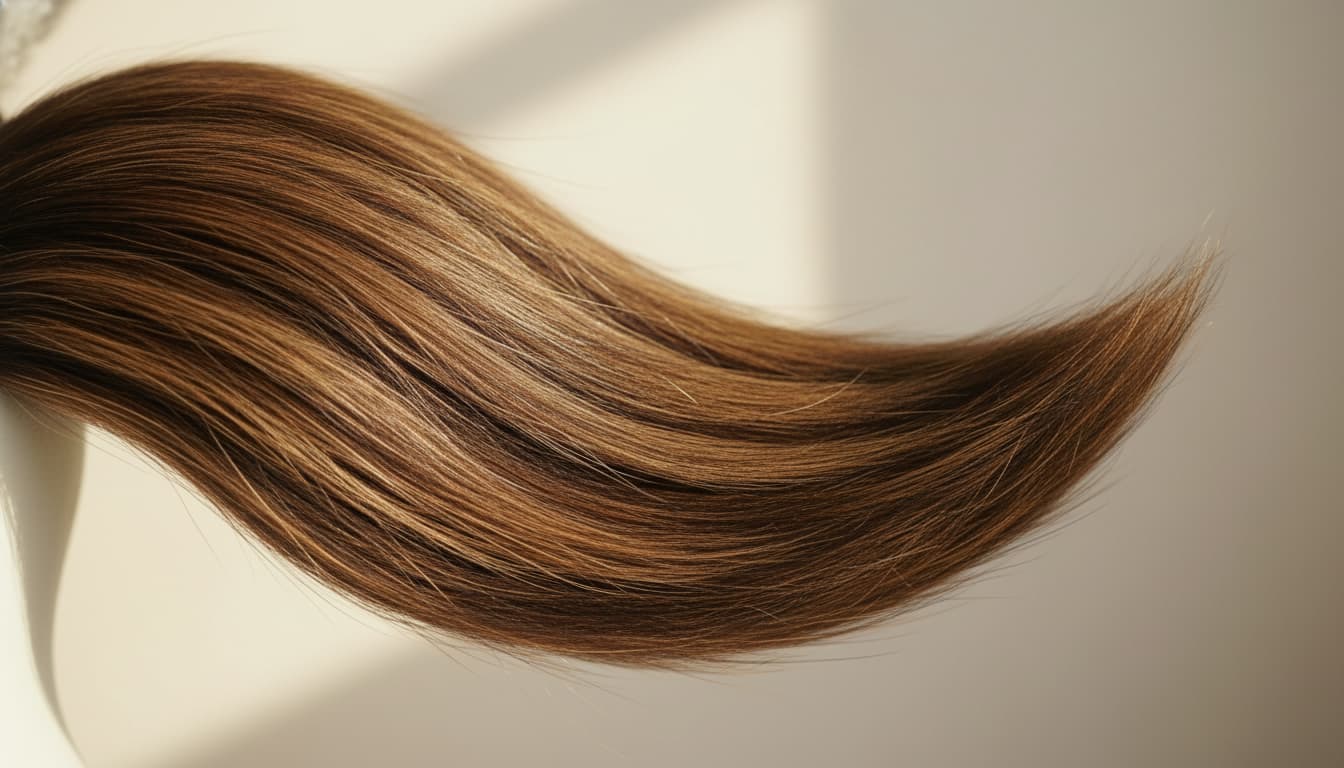
In short, what you will learn in this article: the precise meaning of the fur tail, its various uses from hairstyling to decorative objects, as well as tips for making, maintaining, and purchasing one. A thorough overview to shed light on this intriguing term.
1. Introduction
The term fur tail may seem mysterious at first glance. Often heard in various contexts, it refers both to a natural anatomical part and to an ornamental object. This article aims to help you understand what a fur tail is, its characteristics, its uses, and how to make or care for it. Whether you are curious or looking for a specific accessory, you will find clear and precise answers here.
2. Definition and Meaning of the Term
2.1 Literal Meaning (animal hairs, animal tail) and Figurative/Decorative Object Meaning
The fur tail primarily refers to the hairy end of an animal's tail. According to the Académie Française Dictionary, this part is a continuation of the vertebrae, often covered with long and soft hairs, as seen in some dogs or cats. The tail hair can be fluffy, forming a plumed tail or a full tail, characteristics that influence the choice of suitable brushes on Brosseur.com.
Beyond anatomy, the fur tail also denotes an ornamental object made from natural or synthetic hairs, used in hairstyling, costumes, or decoration. For example, a ponytail styled with a fur tail extension is popular for its natural and elegant appearance.
2.2 Terminological Variants and Regionalisms
In some regions, notably in Western France, the expression queue-de-poêle refers to a bird with a long and mobile tail, the wagtail, by analogy with a stove handle. This variant illustrates how the notion of an elongated and slender tail applies in different contexts. Furthermore, the terms bushy tail or long tail hair are used to describe the density and texture of the tail's coat, often considered in grooming.
3. Uses and Contexts of Use
3.1 Costume and Cosplay
The fur tail is frequently used as an accessory in costumes and cosplay. It adds striking realism to animal or fantasy characters. For example, a full tail made of synthetic hairs can be attached to a belt to complete a costume.
3.2 Decoration and Accessories (Fashion, Furniture, Handcrafted Items)
In fashion, the fur tail is used to adorn hats, bags, or clothing, adding a natural and elegant touch. Historically, the marten’s tail was used to embellish dresses, combining fur and hairs for a luxurious effect. In furniture, fur tail pom-poms sometimes decorate curtains or cushions, adding a soft and warm texture.
3.3 Use in Toys or Traditional Objects
Some cultures use the fur tail in crafting traditional toys or artisanal objects, like brushes or fans. These items take advantage of the softness and flexibility of the soft tail hair for functional or aesthetic purposes.
4. Manufacturing — DIY Tutorial
4.1 Recommended Materials (Natural vs. Synthetic)
To make a fur tail, it is advisable to choose between natural hairs (such as those from horse, fox, or marten) and synthetic hairs. Natural hairs offer an authentic texture and better suppleness, while synthetics are easier to maintain and hypoallergenic.
4.2 Tools and Detailed Steps (with Practical Tips)
Here are the steps to create a fur tail:
- Choose the base: a sturdy fabric or rigid support.
- Select hairs according to the desired length and density.
- Attach the hairs to the base by sewing or gluing.
- Shape the tail into a plume or bushy form according to the desired style.
- Add a fastener to be able to attach the tail to a costume or accessory.
4.3 Common Mistakes and How to Avoid Them
- Choosing hairs that are too short for a plumed tail, which diminishes the visual effect.
- Neglecting the attachment of the hairs, which can lead to rapid loss.
- Failing to treat natural hairs against parasites or moisture.
5. Maintenance and Cleaning
5.1 Methods According to Material
Maintenance varies depending on whether the fur tail is natural or synthetic. For natural hairs, gentle brushing with an appropriate brush, like those recommended on Brosseur.com, is essential. Washing should be occasional and done with a mild shampoo. Synthetic hairs can be cleaned more frequently with lukewarm water and neutral soap.
5.2 Storage and Shelf Life Extension
To preserve the shape and softness of the tail, it is advisable to store it in a dry place, away from direct light. A breathable fabric bag prevents dust accumulation and protects the tail hairs.
6. Purchasing and Product Comparison
6.1 Criteria to Check (Quality, Safety, Material Origin, Price)
When buying a fur tail, check:
- The source of the hairs (natural or synthetic).
- The quality of the attachment and the density of the coat.
- Safety, notably the absence of toxic products.
- The quality/price ratio according to the intended use.
6.2 Top Recommended Products / Quick Comparison
Among the best options are synthetic hair tails for cosplay, easy to maintain, and natural tails for an authentic look. For animal use, prefer accessories compatible with the coat, available on specialized shops like Brosseur.com.
7. Cultural and Historical Aspects (Distinctive Angle)
7.1 Historical or Regional Examples of Use
Historically, the marten’s tail was used in Europe to adorn noble clothing, showing an ancient decorative use. Regionally, the queue-de-poêle also refers to a bird with a fine and mobile tail, illustrating the richness of expressions related to the tail in the French language.
7.2 Symbolism and Representations
The fur tail often symbolizes vitality and natural beauty. In some cultures, it represents animal power or connection to nature, explaining its use in ritual or festive costumes.
8. Safety and Regulations
8.1 Allergies and Precautions
Natural hairs can cause allergies. It is therefore recommended to test sensitivity before prolonged use. Synthetic hairs are generally hypoallergenic.
8.2 Applicable Standards (if relevant)
For accessories intended for animals or children, ensure they meet current safety standards, especially regarding attachment and non-toxicity of materials.
9. Conclusion
The fur tail is a term rich in meaning, blending anatomy, culture, and craftmanship. Whether to understand the nature of an animal’s long tail hair or to create an ornamental accessory, this guide offers you a complete and practical view. To deepen your knowledge about grooming and coat care, feel free to visit Brosseur.com and discover our expert advice.