How to Choose the Ideal Brush for Long-Haired Dogs and Cats in 2026
11/04/2026
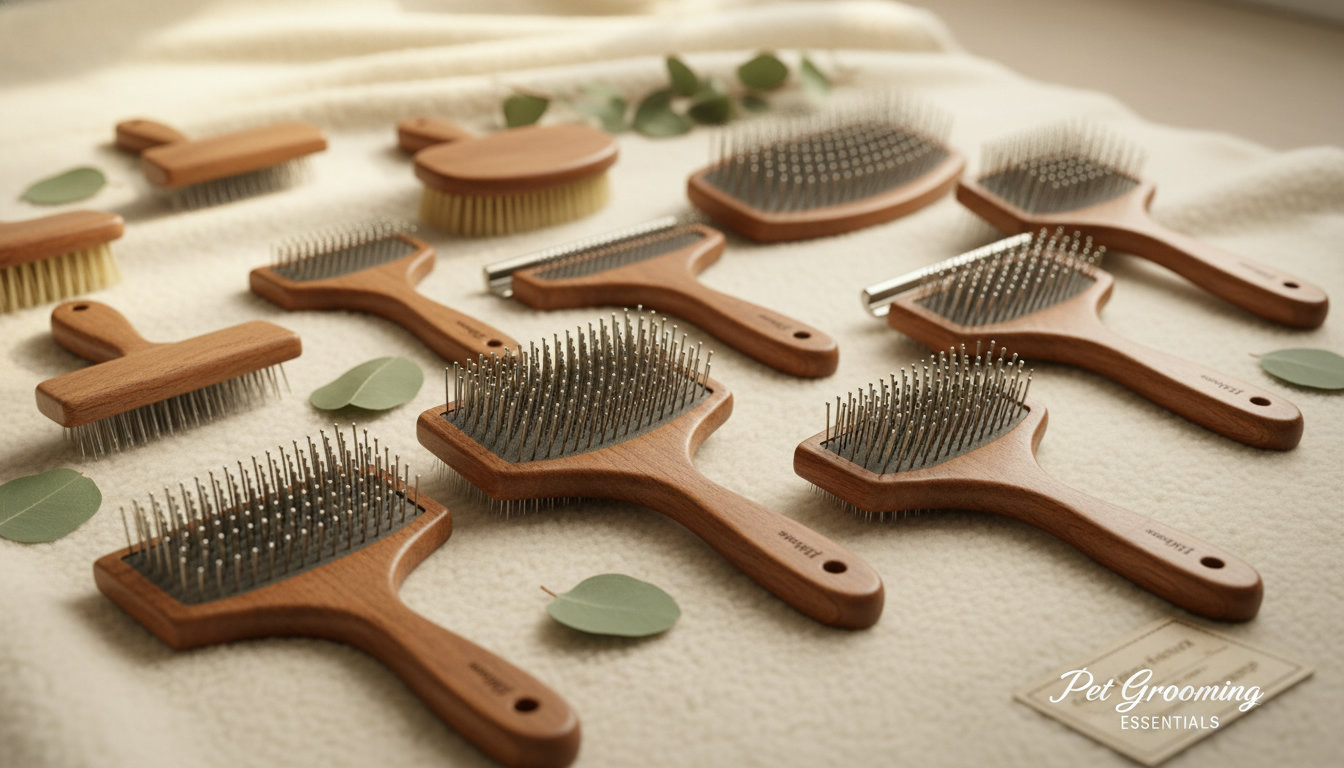
In short, what you will discover in this article: how to choose the ideal brush for long-haired dogs and cats, understanding coat types, suitable tools, and techniques for effective and gentle brushing. A complete guide to avoid tangles and keep a healthy coat.
1. Why Choosing the Right Brush for Long-Haired Dogs and Cats Matters
Choosing the right brush is essential to preserve your long-haired pet's health and comfort. An inappropriate brush can cause pain, damage the coat, or encourage matting. For pleasant and effective brushing, it’s important to consider hair type, skin sensitivity, and specific needs of each species. For example, an ergonomic pet brush improves grip and reduces owner fatigue.
For optimal choice, it’s useful to rely on expert advice and user feedback, like those offered on bienvenuecheznous-bcn.fr, a site dedicated to animal well-being.
2. Understanding the Coat of Long-Haired Animals
2.1 Types of Hair (Silky, Woolly, Curly, Double Coat)
Long-haired animals have several coat types:
- Silky hair: fine and smooth, requiring a soft brush to prevent breakage.
- Woolly hair: dense and curly, needing a thick comb and detangler for dogs and cats.
- Curly hair: fragile, maintained with metal pin brushes with rounded tips.
- Double coat: coat with dense undercoat, often in dogs, requiring a special undercoat brush.
2.2 Common Issues (Tangles, Mats, Shedding, Sensitive Skin)
Long hair is prone to several challenges:
- Tangles and mats: develop quickly without regular care.
- Seasonal shedding: accumulation of dead hair to be removed with an anti-mat brush for cats or a dematting rake.
- Sensitive skin: requires a soft pet brush to avoid irritation.
3. Types of Brushes and Their Uses
3.1 Metal Pin Brush — Advantages and Limitations
The metal pin brush is ideal for gently detangling long hair and removing impurities. It penetrates well into the coat without pulling hair but should be avoided on sensitive areas like the belly or paws. This brush is recommended for long-haired dogs like the Golden Retriever.
3.2 Slicker Brush — When and How to Use It
The slicker brush is effective for removing dead hair and stubborn mats but can be harsh on fragile hair. It's better suited for medium-length hair and should be used carefully, brushing in the direction of hair growth without applying too much pressure.
3.3 Carding Brush, Dematting Comb, and Wide-Tooth Comb — Complementary Roles
- Carding brush: ideal for medium tangles, detangles without breaking hair.
- Dematting comb: perfect for thick hair, gently separates mats.
- Wide-tooth comb: useful for very thick or curly hair, eases passage in all directions.
3.4 Undercoat Brushes and Soft Brushes for Sensitive Skin
Undercoat brushes, like the curry comb, effectively remove dead hair without damaging the skin. For pets with sensitive skin, especially cats, a soft brush is recommended to avoid irritation.
4. How to Choose the Brush According to the Animal and Hair Type
4.1 Differences Between Dogs and Cats — Behaviors and Constraints
Dogs often tolerate more energetic brushing, while long-haired cats require more gentleness and patience. Brush choice must also consider the animal’s size, sensitivity, and grooming behavior.
4.2 Recommendations Based on Hair Length, Density, and Structure
- For very long, dense coats, favor a combination of metal pin brush and dematting comb.
- For silky coats, opt for a soft pet brush.
- For curly hair, a wide-tooth comb is recommended.
- For double coats, a special undercoat brush is necessary.
5. Step-by-Step Brushing Technique
5.1 Ideal Frequency (Daily, Weekly, Seasonal)
- Daily brushing for long-haired cats.
- 2 to 3 times weekly for long-haired dogs.
- More frequent during seasonal shedding.
5.2 Tangle Removal Method Without Pain and Knot Prevention
- Brush in the direction of hair growth, gently.
- Start with easy areas, then focus on thick zones.
- Use a detangler for dogs and cats to ease passage.
- Avoid sudden movements that could hurt the animal.
5.3 What to Do with a Stubborn Knot (Tools and Precautions)
- Use a dematting comb or carding brush.
- Apply a detangling spray to soften the hair.
- Never pull hard; if necessary, carefully cut the knot to avoid injury.
6. Brush Maintenance and Hygiene
6.1 Regular Cleaning, Disinfection, and Replacement Frequency
- Remove hair after each use.
- Clean with lukewarm water and mild soap.
- Disinfect regularly to prevent bacteria and fungus.
- Replace the brush as soon as pins are damaged.
6.2 Tips to Prolong Brush Lifespan
- Store in a dry place.
- Avoid using the same brush for multiple animals without cleaning.
- Prevent impacts and drops.
7. Special Cases and Practical Advice
7.1 Elderly Animals, Sensitive Skin, or Stress-Prone Pets
- Prefer a soft pet brush.
- Adjust brushing frequency according to tolerance.
- Brush gently in a calm environment.
7.2 Combining Manual Brushing with Other Products (Detangling Sprays, Clippers)
- Use a detangler for dogs and cats before brushing.
- Supplement with clippers for difficult zones.
- Never force on knots.
8. Product Comparison and Recommendations (By Use and Budget)
| Use | Budget-Friendly | Best Value | Premium |
|---|---|---|---|
| Long Hair Detangling | Simple metal pin brush | Double FURminator brush | High-end ergonomic brush |
| Undercoat | Basic curry comb | Curry comb with ergonomic handle | Professional curry comb |
| Sensitive Skin | Soft rubber brush | Soft brush with rounded pins | Natural hair brush |
9. Useful Links for Further Reading
To complete your gear, check out our selection of dog grooming accessories that make managing dead hair easier daily. For an original perspective, the article on the hairless bear offers an interesting contrast on animal coat peculiarities.
10. Conclusion and Quick Buying Guide
Choosing the ideal brush for long-haired dogs and cats requires understanding the coat type, the animal’s specific needs, and suitable tools. By combining a metal pin brush, dematting comb, and soft brush, you ensure effective and comfortable care. Remember to adopt a gentle and regular technique to prevent knots and maintain skin health.
For successful grooming, equip yourself carefully and follow our advice to provide your companion with a healthy, shiny coat.

Claire Bertin
Passionnée par les animaux depuis toujours, je me suis spécialisée dans le toilettage et le soin du pelage des compagnons à poils. Avec plusieurs années d'expérience aux côtés de professionnels du monde animalier, j'ai développé une expertise pointue sur les techniques de brossage adaptées à chaque type de poil et race. Sur Brosseur.com, je partage des conseils clairs et pratiques pour aider les propriétaires à entretenir au mieux le pelage de leurs animaux, tout en respectant leur bien-être. Mon objectif est de rendre le brossage accessible à tous, en répondant précisément aux questions du quotidien avec sérieux et pédagogie.