Find an Effective Cat Behaviorist in 2026
20/04/2026
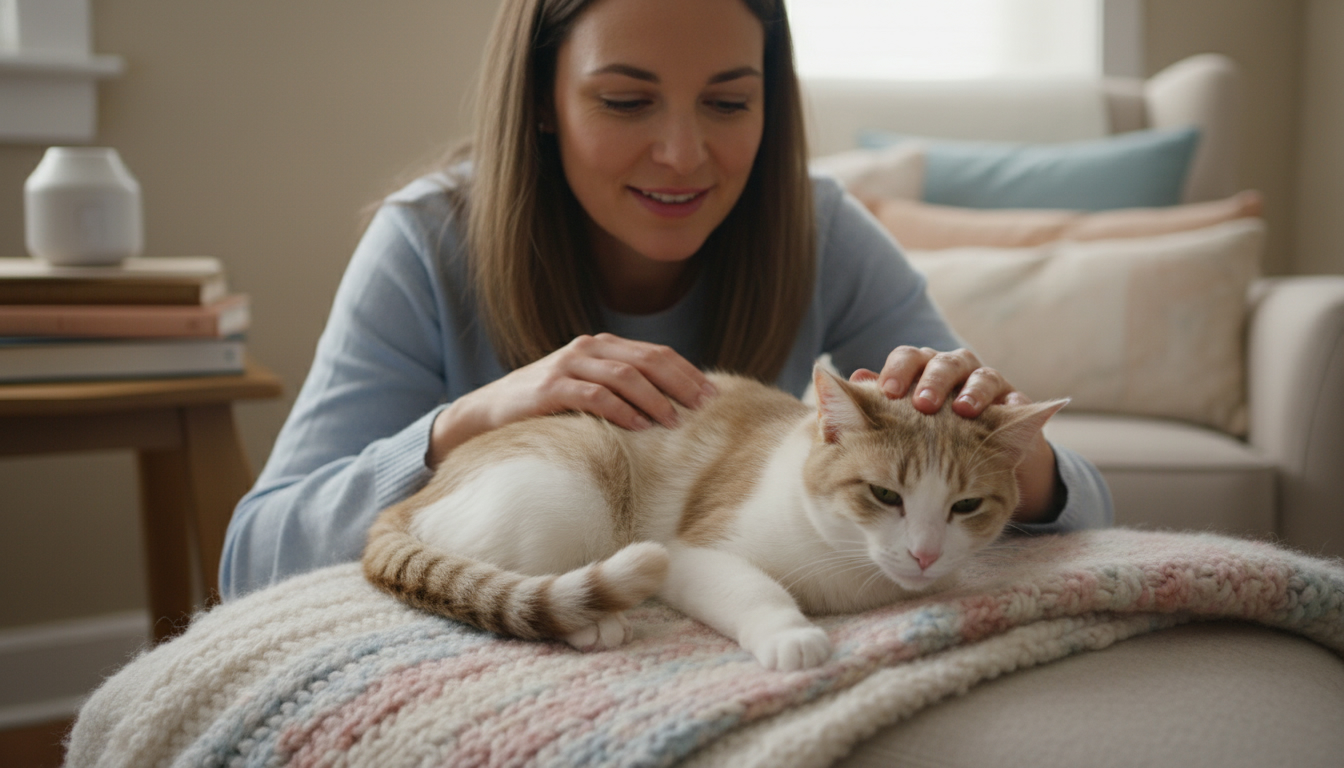
In short, what you will discover in this article: how a cat behaviorist can diagnose and resolve behavioral disorders in your pet. You will find advice on choosing the right specialist, understanding the cat behavioral consultation, and improving your relationship with your feline companion.
1. Why consult a cat behaviorist?
The cat behaviorist is the feline behavior expert who intervenes when your cat shows behavioral problems, such as scratching furniture or urinating outside the litter box. Their role is to identify the underlying causes of these behaviors and offer appropriate solutions.
This professional does not replace the veterinarian but complements their work by relying on ethology to understand your cat’s specific needs. The cat behavioral consultation thus allows a better understanding of cat behavior in a domestic environment and provides personalized support.
1.1 Warning signs to watch for
Here are behaviors that justify calling in an expert:
- Sudden or unusual aggression
- Urine marking outside the litter box
- Excessive furniture scratching
- Noticeable anxiety or stress
- Isolation or mood changes
Recognizing these signals is essential to act quickly and prevent the situation from worsening.
2. How does a cat behavioral consultation take place?
The consultation starts with a behavioral diagnosis of the cat. The specialist observes and analyzes the animal’s behavior, often with the owner present. They identify triggering factors and unmet needs.
Then, they propose a personalized action plan, including:
- Animal behavior advice tailored to your situation
- Adjustments to the cat’s environment
- Techniques to modify the cat’s behavior
- Behavioral follow-up for pets, sometimes over several sessions
This process helps restore a calm relationship between you and your cat.
2.1 In-person or remote consultation
Depending on your location, you can choose a consultation at a clinic, at home, or online. For example, the Éduchateur France network offers certified experts in several major cities and remote follow-up, making it easier to access a specialist even if you are far away.
3. Finding a cat behaviorist near you
For effective support, it’s important to choose a behaviorist who knows your region and your needs well. For example, Juliette Puy, a feline behaviorist based in Rennes and Lannion, offers recognized local expertise. Her approach focuses on analyzing feline needs and resolving unwanted behaviors without resorting to medication (Félinités).
In Dijon, Amandine Longin offers a holistic method combining on-site observation and personalized follow-up, ideal for treating problems like aggression or behavioral disorders (Humainement Chat).
3.1 Criteria to choose a good specialist
To select a cat behaviorist, check:
- Their training and certifications
- Their experience with your cat’s specific issues
- Reviews from other owners
- Geographic proximity or availability of online consultation
This process guarantees adapted and professional support.
4. Solutions for aggressive cats and other common issues
The behaviorist offers concrete solutions for the most frequent problems:
- Aggression: implementing desensitization exercises and managing interactions
- Urine marking: adapting the environment and managing stress
- Destructive scratching: providing scratching posts and positive reinforcement
- Anxiety: relaxation techniques and habitat enrichment
These interventions aim to improve your cat’s well-being and your relationship quality.
5. Additional tips for your cat’s well-being
Alongside behavioral follow-up, it is important to maintain your cat’s coat. Regular brushing helps reduce stress and fosters a positive bond. For this, discover our comprehensive guide to choosing the ideal brush for long-haired dogs and cats.
Here are some practical tips for effective brushing:
- Brush in the direction of the fur without forcing
- Choose a calm moment, away from meals or sleep
- Use a brush suited to the fur type
- Clean the brush regularly to avoid tangles
These simple actions contribute to your cat’s health and comfort.
6. Conclusion
Calling on a cat behaviorist is a key step to resolve behavioral disorders and restore a harmonious relationship with your companion. By choosing a qualified specialist and following their advice, you offer your cat a peaceful environment adapted to its needs. Don’t hesitate to consult our other articles to deepen your knowledge, especially on grooming and brushing adapted to your pet.

Claire Bertin
Passionnée par les animaux depuis toujours, je me suis spécialisée dans le toilettage et le soin du pelage des compagnons à poils. Avec plusieurs années d'expérience aux côtés de professionnels du monde animalier, j'ai développé une expertise pointue sur les techniques de brossage adaptées à chaque type de poil et race. Sur Brosseur.com, je partage des conseils clairs et pratiques pour aider les propriétaires à entretenir au mieux le pelage de leurs animaux, tout en respectant leur bien-être. Mon objectif est de rendre le brossage accessible à tous, en répondant précisément aux questions du quotidien avec sérieux et pédagogie.